The Difference Between Grade A and Grade B Batteries Cells
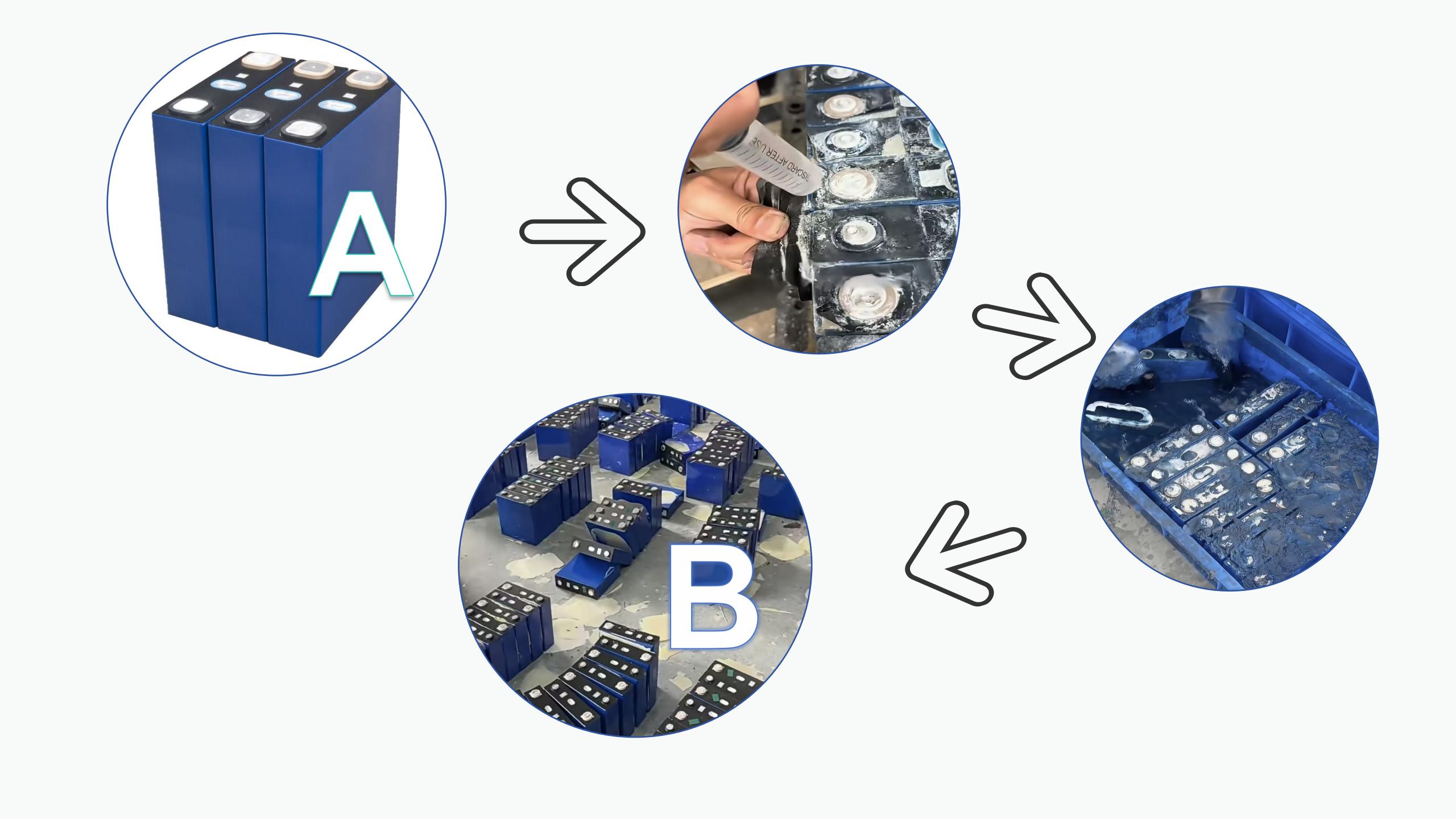
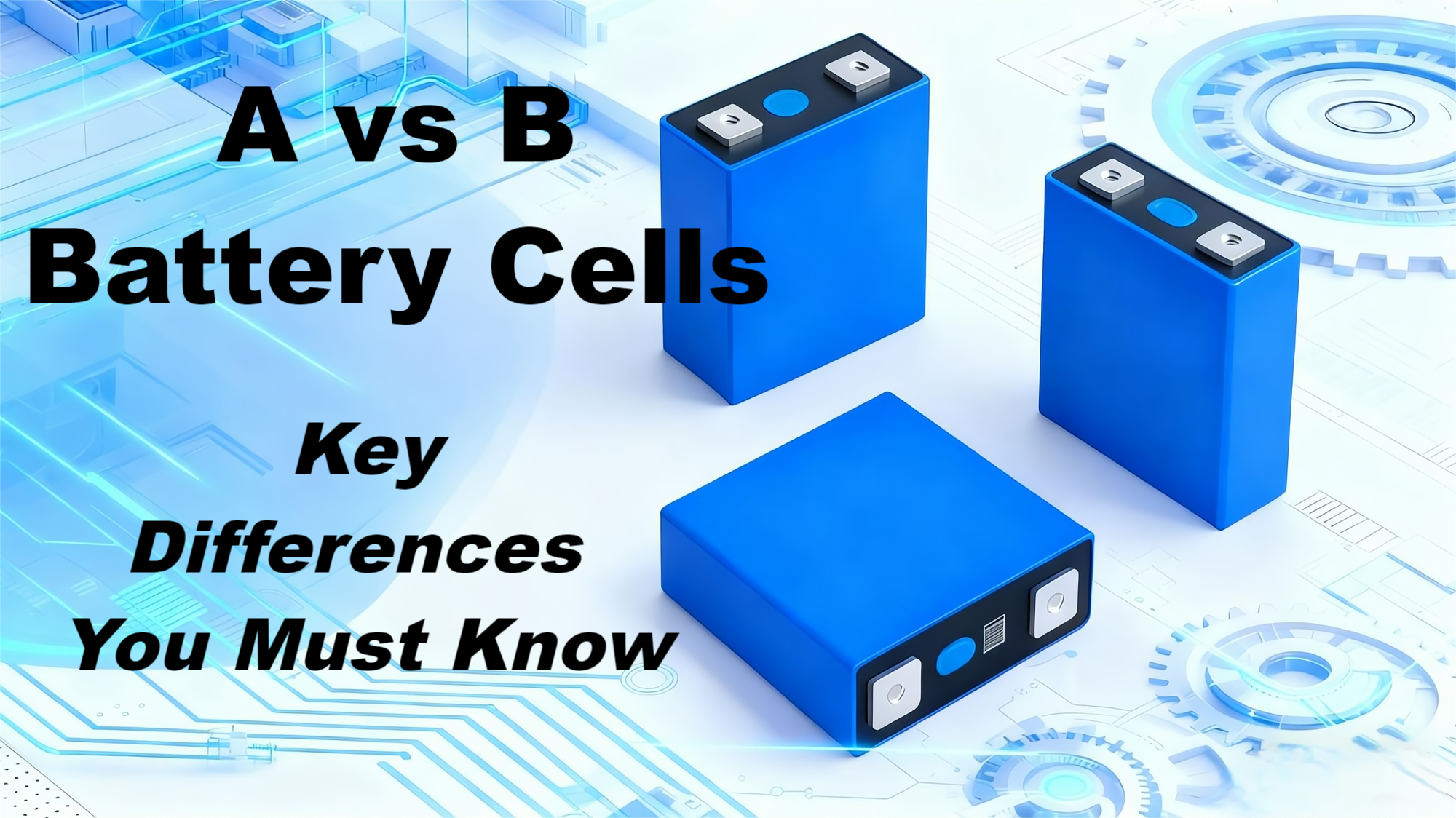
👉 In the battery industry, the quality grading of battery cells is crucial for product performance and reliability. Cells are typically categorized into Grade A, Grade B, and Grade C. This article focuses on teaching readers how to distinguish between Grade A and Grade B cells.
✅ I. Grade A Cells
Grade A cells represent the highest quality category. The battery materials, technology, energy storage capacity, stable charge/discharge performance, specifications, and temperature control standards all meet the industry’s premium benchmarks. Typically, factories using these cells place direct orders with manufacturers. They feature the following characteristics:
- ✅ High Capacity Retention: Maintains substantial capacity after multiple charge-discharge cycles.
- ✅ Low Internal Resistance: Minimizes energy loss during discharge for more efficient power delivery.
- ✅ Excellent Consistency: High uniformity in capacity and voltage ensures stability and safety.
- ✅ High Safety: Passes rigorous tests including overcharge, short-circuit, and crush testing.
⚠ II. Grade B Cells
Grade B cells are of slightly lower quality than Grade A cells. Among manufacturers, defect rates range between 2%–10%, resulting in these cells. They may show minor deviations in capacity or size, though still usable and priced lower. Their characteristics include:
- ⚠ Relatively lower capacity retention: May reduce after multiple cycles, suitable for less demanding uses.
- ⚠ Slightly higher internal resistance: More energy loss compared to Grade A cells.
- ⚠ Moderate consistency: Slightly less uniform but still functional.
- ⚠ Basic safety compliance: Passes essential safety tests but may pose risks under extreme conditions.
👉 III. How to Distinguish Battery Grades?
Since manufacturers apply different standards, determining whether a battery is A-grade or B-grade requires comprehensive evaluation. Here are common identification methods:
-
- 👀 Visual inspection: Grade A cells look flawless; Grade B may show tiny scratches or marks.
- ⚙ Parameter testing: Specialized devices can check capacity, resistance, and voltage consistency.
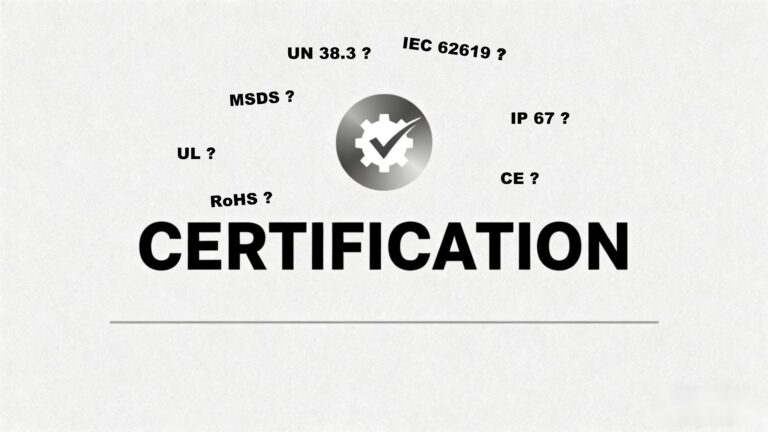
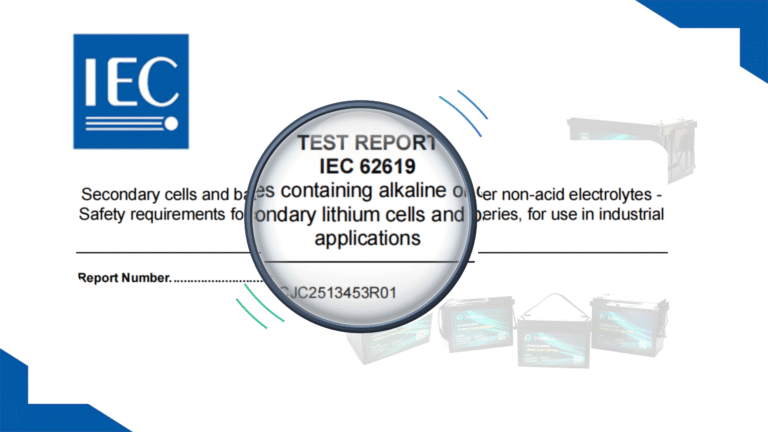
- 📄 Review manufacturer test reports: Grade A cells include detailed factory test data; lack thereof often indicates Grade B.
- 🔍 Scan the QR code: Clear, scannable QR codes indicate genuine Grade A origin.
- 💡 Check origin and storage: Direct factory purchases usually mean Grade A; discounted open-market sources suggest Grade B.