IP67 Protection Level for Lithium Batteries: Why It Matters?
IP67 Protection for Lithium Batteries
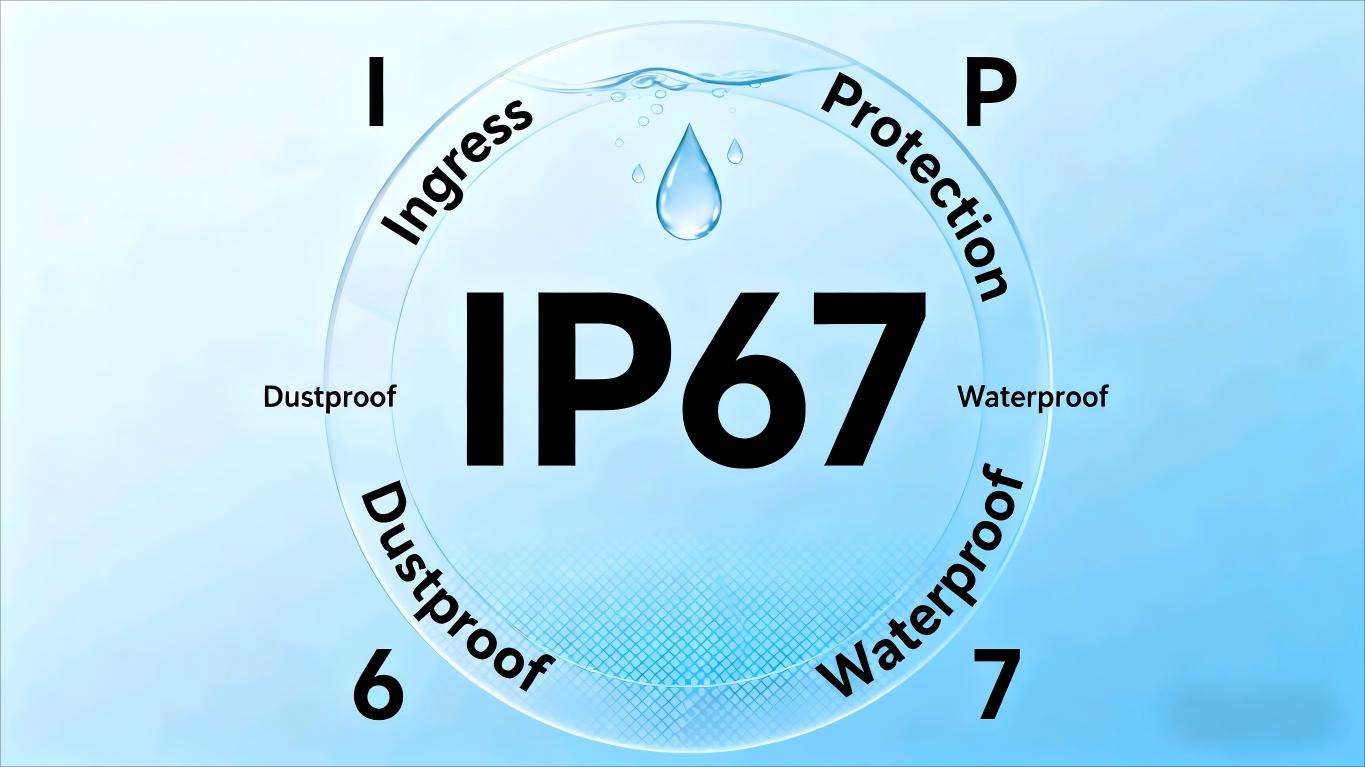
IP67 protection not only ensures that lithium batteries can perform reliably in various environments but also enhances the durability of your devices.
Today, we’ll dive into the significance of IP67 protection for lithium batteries and why choosing this rating is a smart decision.
What is IP67?
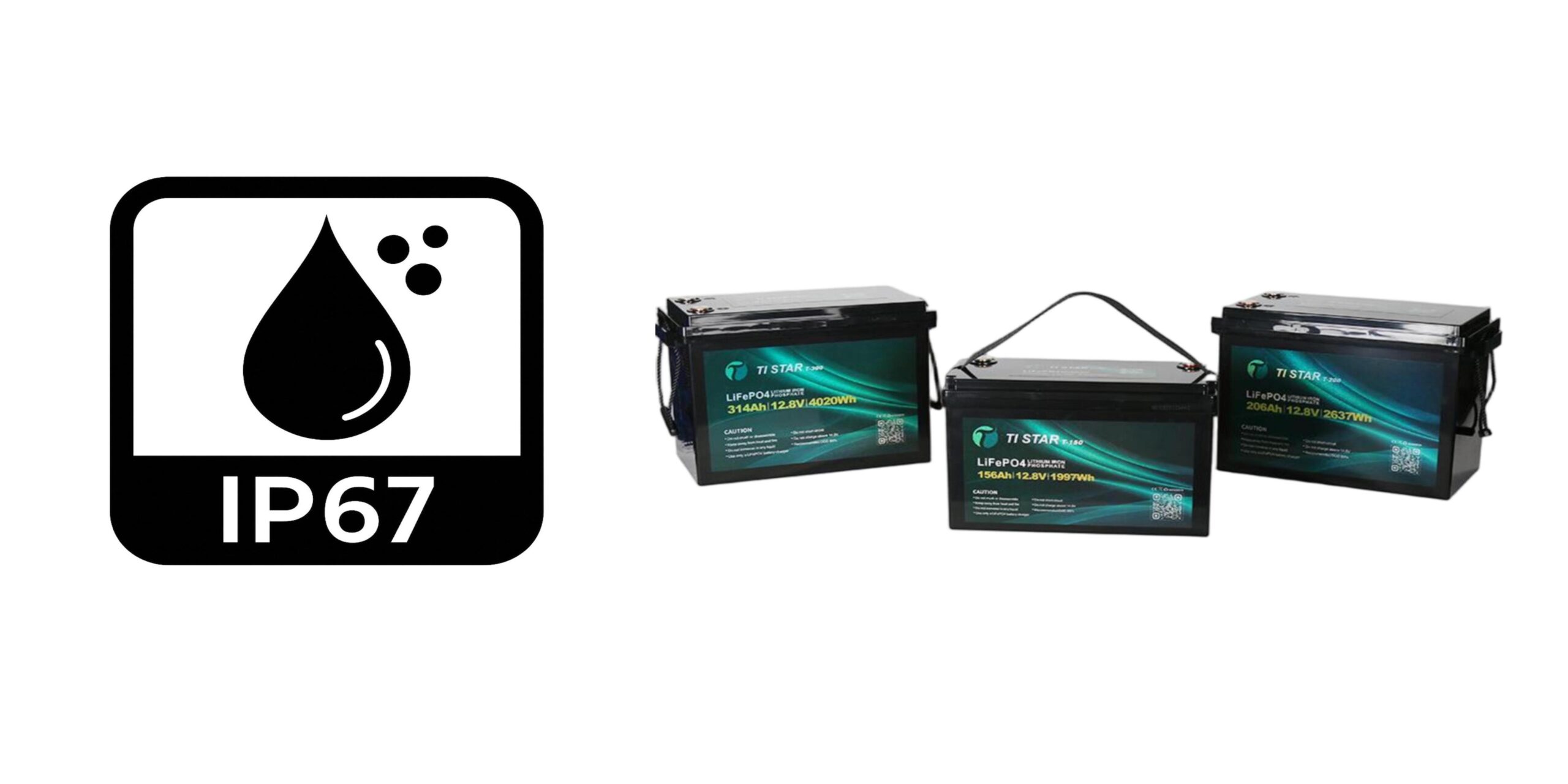
Just like all electronic devices, lithium batteries have their own dust and water protection ratings. IP67 means:
- First digit “6”: Complete dust protection. The battery casing effectively prevents dust from entering, protecting the internal electronic components from damage caused by dust, sand, and other particles.
- Second digit “7”: Can withstand short-term immersion. Devices with this rating can be submerged in up to 1 meter of water for up to 30 minutes. Even under extreme weather conditions, the battery can continue to work normally.
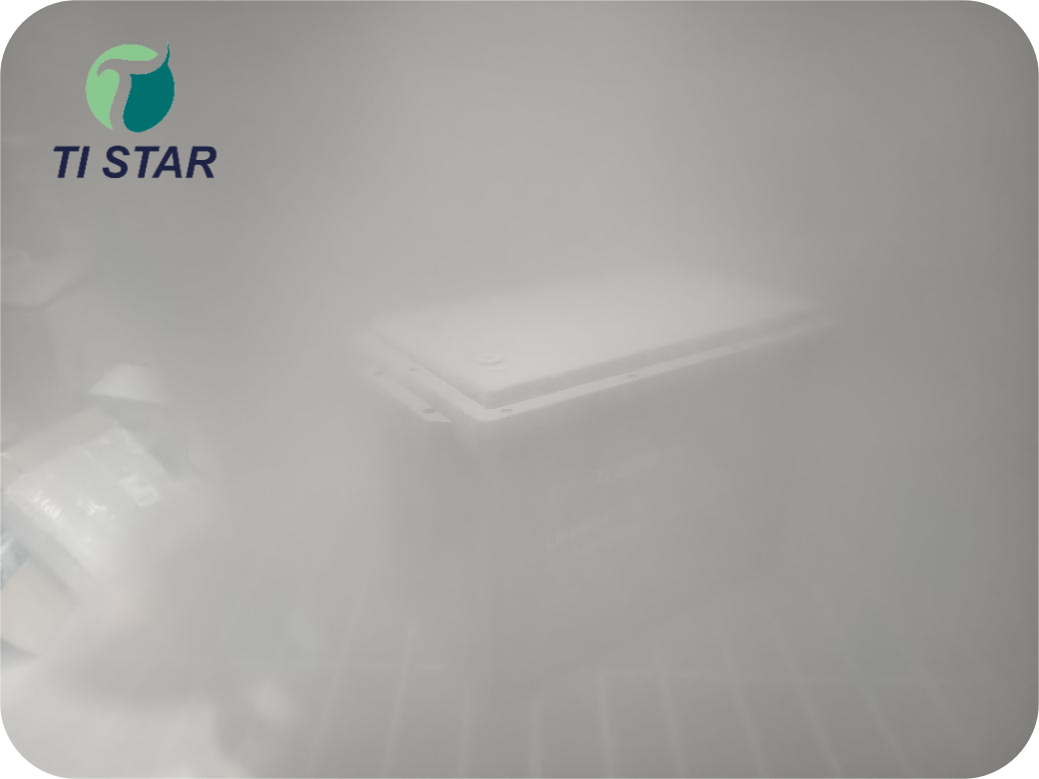
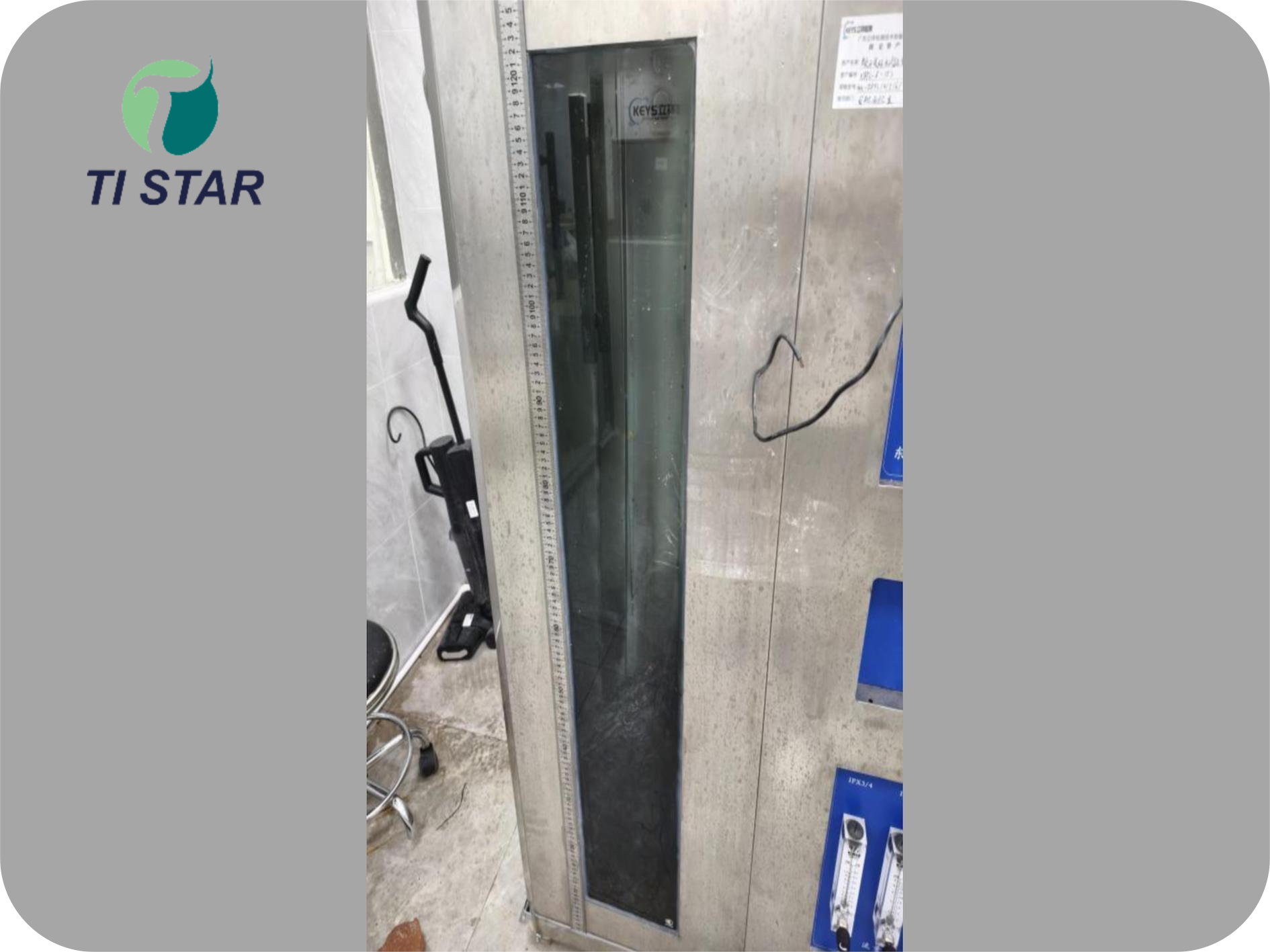
Why IP67 Protection is Important for Lithium Batteries
Dust Protection
Lithium batteries contain sensitive components like the battery cells and circuit boards. Even the smallest dust particles can cause malfunctions or reduced performance. The IP67 rating ensures the battery operates smoothly in dusty environments, such as outdoor camping or mountainous regions.
Water Resistance
Many situations, especially outdoor activities or industrial environments, expose lithium batteries to rain, moisture, or even water immersion. With IP67-rated batteries, water cannot penetrate the casing, protecting internal circuits from corrosion and ensuring stable performance over time.
Adaptability in Harsh Environments
For devices often exposed to outdoor or special work conditions, IP67-rated lithium batteries are the ideal choice. Whether in high heat, low temperatures, humidity, dust, or water vapor, the IP67 design ensures that your battery delivers consistent, efficient performance.