🇦🇺 2026 Australia Battery Subsidy Cuts: What You Need to Know
🇦🇺 2026 Australia Battery Subsidy Cuts:
What You Need to Know
The Australian Federal Government has recently made significant adjustments to its residential energy storage subsidy policy. From May 2026, changes will be introduced to subsidy levels, structure and the degressive mechanism, marking a shift from rapid market expansion to a more rational development phase.
These adjustments primarily centre on the Cheaper Home Batteries Program, coordinated by the Department of Climate Change, Energy, the Environment and Water.
I. Subsidy Reduction (~20%)
Under the latest policy, the subsidy has been reduced from around $300/kWh to approximately $244/kWh, representing a drop of about 18%–20%.
➤ Typical system subsidy references: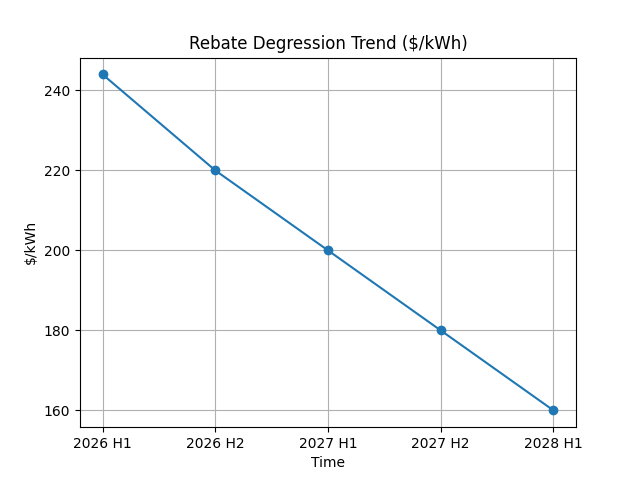
→ 10kWh system: approximately $2,400
→ 13.5kWh system: approximately $3,000+
The subsidy is applied directly at installation through the STC mechanism, with no separate application required.
II. Structural Adjustment: Encouraging Optimal Capacity
➤ Tiered subsidy structure: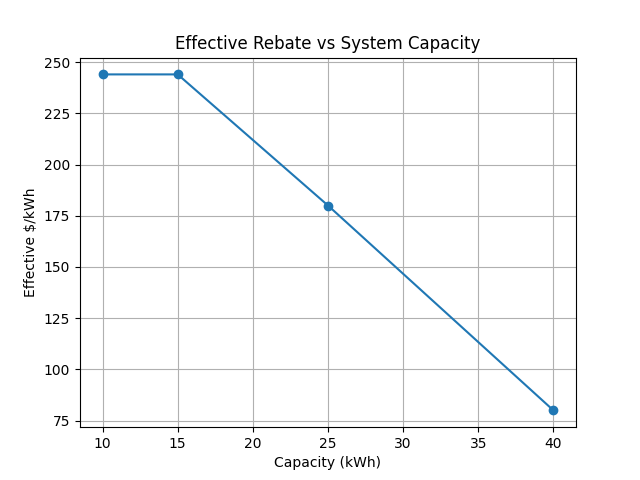
→ 0–14 kWh: full subsidy applies
→ 14–28 kWh: reduced subsidy rate
→ Above 28 kWh: significantly reduced
→ Above 50 kWh: no subsidy eligibility
➤ Policy direction: shifting from encouraging large systems to promoting right-sized configurations.
→ The 10–15 kWh range has become the mainstream household choice.
III. Faster Subsidy Decline Cycle
➤ Adjustment frequency:
→ Every 6 months
➤ Impact on users:
→ Install earlier → lock in higher subsidy
→ Delay installation → lower future incentives
The policy is expected to continue until 2030, with a gradual phase-out.
IV. Reasons Behind Policy Changes
➤ Rapid market expansion
→ By 2025, installations exceeded 180,000 residential systems.
➤ Resource optimisation
→ Limiting large systems reduces arbitrage and improves subsidy efficiency.
➤ Falling battery costs
→ Subsidies will gradually phase out as costs decline.
V. Impact on Households
✓ Mainstream users largely unaffected
→ 10–15kWh systems remain cost-effective
⚠ Large systems see reduced returns
→ Systems above 20kWh are becoming less efficient subsidy-wise
💡 Recommendations:
→ Combine with solar PV systems
→ Increase self-consumption ratio
→ Size systems based on actual usage
VI. Mainstream System Trends
➤ Integrated solar + storage solutions
➤ Capacity concentrated in 10–15kWh
➤ Greater focus on efficiency and usage optimisation
→ Medium-capacity standardised systems are becoming the mainstream
VII. Industry Impact
➤ Installers: shifting to refined system design
➤ Manufacturers: moving toward standardisation and modularisation
➤ Market: transitioning from subsidy-driven to value-driven
VIII. Conclusion
➤ Gradual subsidy reduction
➤ More rational policy structure
➤ A maturing energy storage market
→ For consumers, correct sizing and timing are key to maximising returns. For the industry, this marks a shift toward a more sustainable and healthy development path.